The Wonderful Benefits of Calendula Flowers: Essential Oils and Herbal Infusions
BOTANICAL BONANZA
2/13/20264 min read
Introduction to Calendula Flowers
Calendula flowers, scientifically known as Calendula officinalis, are revered for their vibrant orange and yellow hues that brighten gardens and herbal apothecaries alike. These annual blooms, commonly referred to as pot marigolds, are distinguishable by their characteristic petal structure, resembling that of a daisy. Beyond their visual appeal, calendula flowers hold a prominent place in traditional medicine and cultural practices across the globe.
The history of calendula dates back to ancient civilizations, where it was used not only for ornamental purposes but also for its medicinal properties. The flowers have been utilized in a myriad of ways, from culinary applications—infusing oils and salads—to their use in skin healing balms due to their anti-inflammatory and antiseptic qualities. This versatility has made them a staple in both herbalism and holistic health.
Calendula's cultural significance is also notable; it has often been associated with various rituals and celebrations. For instance, in many cultures, calendula is regarded as a symbol of affection and warmth, frequently appearing in wedding bouquets and festive decorations. Additionally, its bright color is thought to invoke joy and promote healing, making it a popular choice in folk medicine.
With increasing interest in natural remedies and essential oils, the benefits of calendula flowers continue to be explored. This enduring connection to both beauty and well-being underscores the importance of calendula in various facets of life, from gardening to holistic health practices. As we delve deeper into the myriad applications of calendula, it is essential to understand its rich history and the profound impact it has had on cultures worldwide.
Geographic Distribution and Growing Conditions
Calendula flowers, commonly known as pot marigolds, thrive in a variety of environments, making them highly adaptable and appealing for cultivation worldwide. Originally native to the Mediterranean region, these vibrant blooms can now be found across Europe, North America, and parts of Asia. Their resilience allows them to flourish in numerous climatic conditions, although they prefer temperate climates with a moderate amount of sunlight.
In Mediterranean regions, where sunny, warm summers and mild winters are prevalent, calendula flowers exhibit optimal growth. These conditions mimic their native habitats and provide the essential warmth and light needed for maximal flowering. However, calendula is remarkably versatile; it can also adapt to cooler zones. It can be successfully grown in temperate areas, provided the critical conditions of well-draining soil and adequate sunlight are met.
Soil quality plays a crucial role in the successful cultivation of calendula. They favor well-drained, loamy soil rich in organic matter, which supports healthy root development. While calendula can tolerate less fertile soils, they thrive best when nutrients are available, and pH levels are kept at a slightly acidic to neutral range of about 6.0 to 7.0. Additionally, these flowers are known for their ability to tolerate drought conditions, making them suitable for growth in regions with less reliable rainfall.
In summary, calendula flowers are cultivated predominantly in the Mediterranean region due to their favorable growing conditions; however, their adaptability allows them to grow in diverse climates around the world. By understanding their preferred climate and soil conditions, gardeners can effectively cultivate these beneficial flowers and reap the rewards of their beauty and herbal properties.
Historical and Cultural Uses of Calendula
Calendula flowers, known for their vibrant yellow-orange hues, have been valued across various cultures throughout history for their medicinal properties and symbolic meanings. Ancient Egyptians revered calendula for its beauty and used it in cosmetics and religious rituals. They often associated the flower with the sun, symbolizing vitality and rejuvenation.
In traditional Chinese medicine, calendula, known as "Yuan Hui," has been employed to treat ailments such as inflammation and digestive issues. Its anti-inflammatory properties were particularly noted by practitioners, who believed that the flower could promote skin healing and aid in recovery from wounds.
The use of calendula as a healing herb can also be traced in European traditions. Herbalists in the Middle Ages regarded calendula as a versatile remedy. It was commonly used to soothe skin irritations, help heal wounds, and even treat digestive disorders. Additionally, the flower appeared in medieval texts as a cure for ailments ranging from fevers to bile-related conditions, showcasing its broad spectrum of medicinal uses.
Folklore also enriches the historical tapestry of calendula. In various cultures, it was believed that these flowers could ward off evil spirits or bring good fortune. The connection between calendula and magic is evident in the traditions of the Celts, who often incorporated them in rituals aimed at promoting protection and fertility.
Notably, well-known figures in history have recognized the value of calendula. For instance, the legendary herbalist Hildegard von Bingen often included calendula in her herbal compendiums, emphasizing its healing qualities. This appreciation through ages illustrates calendula's prominence not only as a practical herb but also as an emblem of spiritual healing and cultural identity.
Benefits of Calendula Essential Oils and Infusions
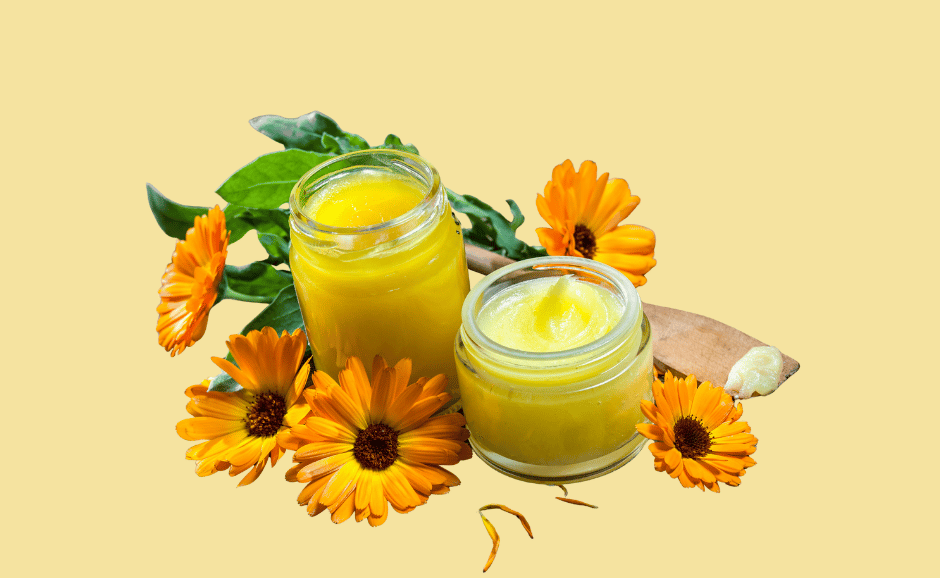
Calendula flowers, known for their vibrant hues and therapeutic properties, are increasingly recognized for their essential oils and herbal infusions that offer a myriad of benefits, particularly in skincare products. The use of calendula in formulations like baby booty butter exemplifies its capacity for healing and soothing. Calendula essential oils are renowned for their anti-inflammatory and antiseptic qualities, which can effectively address skin irritations such as rashes and diaper dermatitis.
The application of calendula-infused products may significantly relieve discomfort from dry and itchy skin. Its constituents have been shown to promote healing by stimulating tissue regeneration, thus enabling faster recovery from minor wounds and abrasions. A study published in a dermatological journal highlighted calendula’s ability to enhance the healing process, showcasing its efficacy in treating various skin ailments.
In addition to its healing properties, calendula oil is often employed in moisturizers due to its emollient effects. This helps to maintain skin hydration, which is crucial for those prone to dryness. The soothing effects of calendula can also promote overall skin health, making it an ideal ingredient for individuals with sensitive skin, including infants. The infusion of calendula in skincare products provides a natural alternative to chemical-laden options, aligning with the growing consumer preference for clean beauty.
The incorporation of calendula essential oils and infusions in products, particularly those designed for babies, underscores their importance in holistic skincare. The flowers not only enhance the sensory experience of using such products but also offer a therapeutic approach to common skin issues. Thus, the benefits of calendula extend beyond mere aesthetics, contributing meaningfully to skin health and wellness.