Exploring the Chamomile Flower: A Journey Through Tradition, Medicinal Properties, and Modern Uses
BOTANICAL BONANZA
By Christian Rivoira
2/13/20265 min read
A Brief History of Chamomile: Cultural Significance and Traditional Uses
Chamomile, a flowering plant belonging to the Asteraceae family, has a rich history that dates back to Ancient Egypt, where it was highly regarded for its medicinal properties. The Egyptians utilized chamomile not only for its health benefits but also in rituals that celebrated fertility and protection. This herb was associated with the sun god Ra, symbolizing healing and rebirth, demonstrating its profound cultural significance in early civilizations.
In Greek and Roman cultures, chamomile continued to play an essential role. The Greeks used it in their pharmacopoeia, believing it could alleviate various ailments, from digestive issues to inflammation. Renowned herbalist Dioscorides extolled its benefits in his writings, establishing chamomile as a staple in ancient herbal medicine. Similarly, the Romans valued this plant, incorporating it into both their relaxation rituals and medicinal preparations. Chamomile tea became a popular beverage, cherished for its calming properties, thereby highlighting its cultural embedment in quotidian life.
Throughout the ages, chamomile has transcended geographical boundaries, taking on various symbolic meanings across cultures. In folklore, it frequently represents patience and tranquility, often associated with peace and restorative states of mind. As traditional medicine evolved, the infusion of chamomile became a remedy for anxiety and insomnia, reinforcing its reputation as a natural tranquilizer. The enduring legacy of chamomile is evident in modern herbal practices; it remains a staple in natural remedies, reflecting centuries of trust in its healing capabilities.
This remarkable history of chamomile illustrates not only its medicinal benefits but also its integral role in various cultural traditions, emphasizing how deeply intertwined human health practices and botanical knowledge have been since antiquity. Today, chamomile continues to bridge its rich historical past with contemporary wellness trends, fostering a deeper appreciation for this ancient herb.
Medicinal Properties of Chamomile: Healing Benefits and Modern Applications
Chamomile, a flowering plant belonging to the Asteraceae family, has been revered for centuries due to its myriad medicinal properties. It is widely recognized for promoting relaxation and calmness, making it an effective natural remedy for anxiety and stress. Consuming chamomile tea has been shown to lead to improved sleep quality, providing a gentle way for individuals to unwind after a long day.
In addition to its calming effects, chamomile also plays a crucial role in digestive health. It can assist in alleviating symptoms associated with indigestion, bloating, and nausea. The flower contains flavonoids and terpenoids that can relax the muscles of the digestive tract, thereby promoting smoother digestion. This is one of the reasons why chamomile tea is commonly recommended after meals.
Furthermore, chamomile possesses notable anti-inflammatory properties. These compounds can help to reduce inflammation in the body, which is beneficial for various conditions, including skin irritations and conditions like eczema. The soothing qualities of chamomile are harnessed in various topical applications, such as creams and lotions. One popular example is baby booty butter, which incorporates chamomile as a key ingredient. This product is specially formulated for the delicate skin of infants, combining chamomile with nourishing elements like shea butter and coconut oil. By leveraging the calming properties of chamomile, the butter not only aids in hydration but also promotes skin health by alleviating any visible irritations.
The versatility of chamomile in contemporary health and wellness products illustrates its enduring relevance. Whether as a tea to calm the mind, a remedy to support digestion, or an ingredient in skin care products, chamomile continues to offer numerous benefits. Its integration into modern applications highlights the significance of harnessing traditional knowledge to improve health and well-being today.
Chamomile in Everyday Use: Carrier Oils, Teas, and Essential Oils
Chamomile has established its presence in everyday wellness routines, being not only a popular herbal remedy but also a versatile ingredient for various applications. One of the primary ways to utilize chamomile is through its infusion into carrier oils, which serve multiple purposes in massage and skincare. When combined with carriers, such as sweet almond or jojoba oil, chamomile's soothing properties are effectively delivered, providing relief from skin irritations and aiding relaxation during massage therapy.
To create chamomile-infused oil, the process typically involves steeping dried chamomile flowers in a chosen carrier oil for several weeks. This method not only preserves the therapeutic benefits of chamomile but also enhances the oil's aroma. Once prepared, this infused oil can be incorporated into topical applications, such as lotions, balms, or simple massage oils, to promote skin health and alleviate tension.
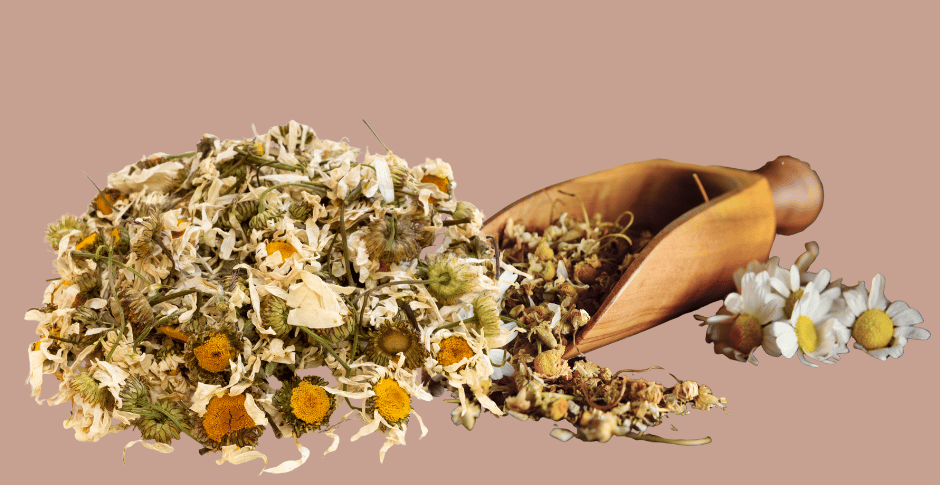
Another popular everyday use for chamomile is as a herbal tea. Brewing a cup of chamomile tea is a simple way to experience its calming effects. To make an ideal brew, steep one to two teaspoons of dried chamomile flowers in hot water for five to ten minutes. Adding honey or lemon can enhance both the flavor and the health benefits of the tea. Regular consumption of chamomile tea has been linked to improved sleep quality and stress reduction.
Chamomile essential oil is yet another potent form of this remarkable flower. Extracted through steam distillation, chamomile essential oil is often used in aromatherapy for its calming scent and therapeutic effects. It can be added to diffuser blends or used in topical applications, diluted with a carrier oil. Additionally, chamomile essential oil can be included in homemade products such as bath salts or lotions, where its aromatic and soothing qualities shine.
Chamomile in the Modern Wellness Industry: Trends and Innovations
The modern wellness industry has witnessed a burgeoning interest in natural ingredients, with chamomile emerging prominently within this trend. The chamomile flower, revered for its soothing properties, now finds itself integrated into various products ranging from skin care formulations to dietary supplements. This shift highlights not only its historical significance but also its ongoing appeal in contemporary health and beauty practices.
One of the most notable trends is the extensive usage of chamomile in skincare products, including cleansers, toners, and anti-aging creams. Skincare brands are increasingly promoting chamomile extract for its anti-inflammatory and calming effects, appealing to consumers seeking natural ingredients for sensitive or over-stressed skin. The versatility of chamomile allows for its incorporation in a variety of beauty regimens, making it a staple for brands aiming to provide gentle and effective solutions.
In addition to skincare, chamomile is experiencing a renaissance in herbal remedies, particularly in the form of teas and tinctures. With a growing consumer preference for herbal solutions over synthetic drugs, products containing chamomile are being marketed for their potential benefits such as promoting relaxation and aiding digestion. This trend reflects a significant shift towards holistic wellness, with consumers increasingly prioritizing mental and emotional well-being.
Moreover, the demand for organic and sustainably sourced products has catalyzed innovations within the chamomile market. Many companies are now focusing on sourcing chamomile from organic farms, leading to an increase in certifications that appeal to environmentally conscious consumers. This shift underscores a broader movement within the wellness sector towards transparency and ethical sourcing, enhancing chamomile's appeal in the modern marketplace.