The Marshmallow Root: A Historical and Healing Treasure
BOTANICAL BONANZA
Christian Rivoira
2/13/20264 min read
Unfolding the History of Marshmallow Root
The marshmallow root, derived from the Althaea officinalis plant, boasts a rich history that dates back to ancient civilizations. The earliest known use of marshmallow root can be traced to ancient Egypt, where it was utilized for both culinary and medicinal purposes. Egyptians prized the root for its soothing properties, often employing it to treat various ailments as well as using its sap to create a delectable confection known as marshmallow.
As time progressed, the healing properties of the marshmallow root caught the attention of several other cultures. During the Greco-Roman period, herbalists began to document its benefits, highlighting its effectiveness in alleviating throat irritations and coughs. The plant was highly regarded in traditional medicine and became a staple in various herbal remedies throughout the region.
The Middle Ages marked a pivotal period for marshmallow root, as its popularity spread across Europe. Physicians were drawn to the root's medicinal properties, integrating it into their treatments for conditions such as digestive disorders and respiratory issues. Its use persisted through the Renaissance, during which it was included in numerous herbal manuals.
In addition to its medicinal applications, the marshmallow root gave rise to the sweet confection known today as marshmallows. Originally, these confections were crafted by combining whipped sap from the plant with sugar and egg whites, producing a fluffy dessert that delighted the palate. Over time, the production evolved with the introduction of gelatin, leading to the mass-produced marshmallows we recognize in modern times.
The significance of marshmallow root extends beyond its culinary appeal; it represents a bridge between ancient healing practices and contemporary herbal remedies. Today, its extract is still cherished for its soothing effects and remains a testament to a rich history that highlights the plant’s versatility and enduring legacy in both medicine and cuisine.
Cultural Significance of Marshmallow Root
Marshmallow root (Althaea officinalis) possesses a rich cultural significance that transcends its physical presence as a healing plant. In ancient civilizations, notably the Egyptians and Greeks, it was utilized not only for its medicinal properties but also as a symbol of healing and vitality. The Egyptians celebrated marshmallow root for its versatility, applying it in various remedies for illnesses, while the Greeks revered it for its soothing effects on ailments.
Beyond its historical medicinal practices, marshmallow root has played a crucial role in indigenous healing traditions across the globe. Native American tribes, for instance, have long utilized marshmallow in various forms to treat a range of health issues, acknowledging its powerful properties in promoting well-being. Often regarded as a natural remedy for respiratory conditions, they incorporated the root into their holistic approaches to health, underlining its significance not merely as a plant but as a vital component of their cultural identity.
Additionally, marshmallow root carries symbolic weight in many cultures. In some traditions, it is associated with purity and protection, often found in rituals aimed at fostering spiritual connection and healing. The root has been integrated into various spiritual practices, believed to facilitate communication with the spirit world and provide emotional support during times of distress. This acclaim extends into contemporary herbal traditions, where marshmallow root is esteemed for its ability to nurture the body and soul, bridging the past's wisdom with the present's practices.
In essence, marshmallow root stands as more than a mere herbal remedy; it embodies a profound cultural icon. Its historical usage and continued relevance highlight not just its healing properties but also its capacity to connect individuals with nature’s wisdom, fostering a reverence that persists across generations.
Healing Properties of Marshmallow Root
Marshmallow root, derived from the Althaea officinalis plant, has been revered for centuries for its remarkable healing properties. One of the key compounds found in marshmallow root is mucilage, a gelatinous substance that is primarily responsible for its soothing and anti-inflammatory effects. This mucilage content enables the root to form a protective layer over mucous membranes, thus providing significant relief from irritation.
The anti-inflammatory properties of marshmallow root make it particularly beneficial for treating various respiratory issues, such as bronchitis and coughs. By calming inflammation within the throat and lungs, the mucilage helps in alleviating soreness and discomfort. Furthermore, when consumed as a tea or syrup, marshmallow root can effectively soothe the digestive tract, making it a valuable remedy for conditions like gastritis and acid reflux.
Beyond its gastrointestinal and respiratory applications, marshmallow root has also been used in treating various skin conditions. Its anti-inflammatory and moisturizing properties lend it a place in natural skincare formulations aimed at alleviating dryness, eczema, and minor wounds. The root has been integrated into poultices and topical applications, effectively promoting skin healing and providing a cooling sensation that helps in reducing irritation.
Scientific studies have supported these traditional uses, validating the efficacy of marshmallow root in promoting health and healing. Research has highlighted its potential in combating inflammation, which aligns with historical uses documented in various cultures throughout the ages. From ancient Egyptians to herbalist traditions in Europe and Asia, marshmallow root has been a steadfast ally in natural medicine.
In summary, the healing properties of marshmallow root, underpinned by its mucilage and documented historical uses, showcase its role as a multifaceted herb capable of addressing numerous health concerns.
Modern Applications and Research on Marshmallow Root
Marshmallow root, known for its soothing properties, has garnered significant attention in contemporary herbal medicine and wellness practices. With its active ingredients, including mucilage, flavonoids, and tannins, marshmallow root is increasingly recognized for its effectiveness in treating various health conditions. Recent research has validated its traditional uses, demonstrating its potential benefits in alleviating digestive and respiratory ailments, promoting skin health, and providing relief from inflammation.
Current studies have highlighted the mucilage's ability to form a protective layer on mucous membranes, effectively soothing irritation. This characteristic has made marshmallow root a popular ingredient in formulations designed to relieve sore throats, coughs, and digestive discomfort. Furthermore, the root's anti-inflammatory and antioxidant properties support its role in contemporary dietary supplements, aiming to enhance overall wellness.
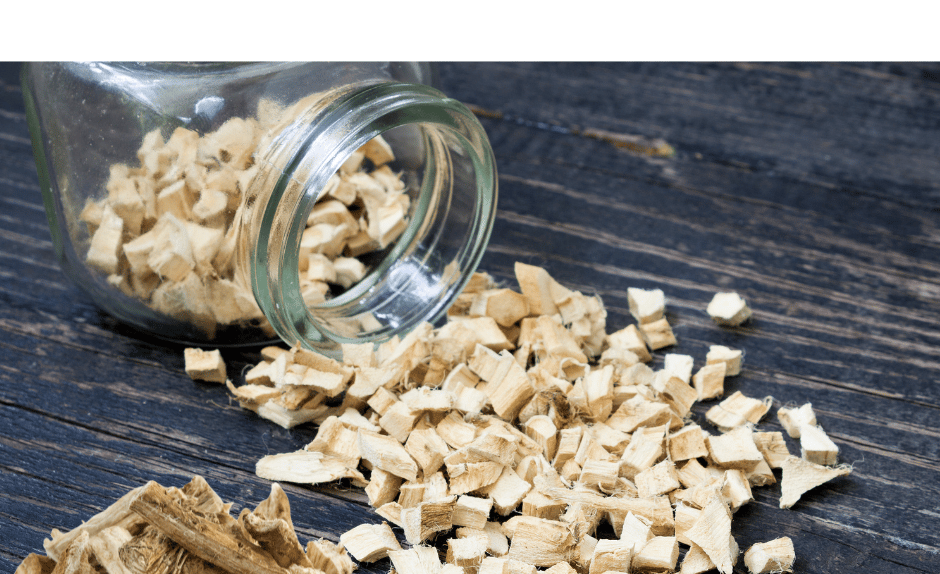
In the realm of dietary supplements and herbal teas, marshmallow root is often available as a dried herb, powder, or extract. Enthusiasts can easily incorporate it into their daily routines by brewing marshmallow root tea, which can be enjoyed warm or cold, providing a tasty and beneficial drink that offers soothing effects. Another practical way to utilize marshmallow root is through capsules or tinctures, which allow for precise dosages, making it convenient for those seeking to integrate this herbal remedy into their health regimen.
Moreover, it can be found in various skincare products, leveraging its moisturizing properties to help alleviate dry skin. For those venturing into the world of herbal medicine, it is imperative to consult with a healthcare professional to ensure appropriate usage of marshmallow root, especially for individuals taking medications or those with underlying health conditions.